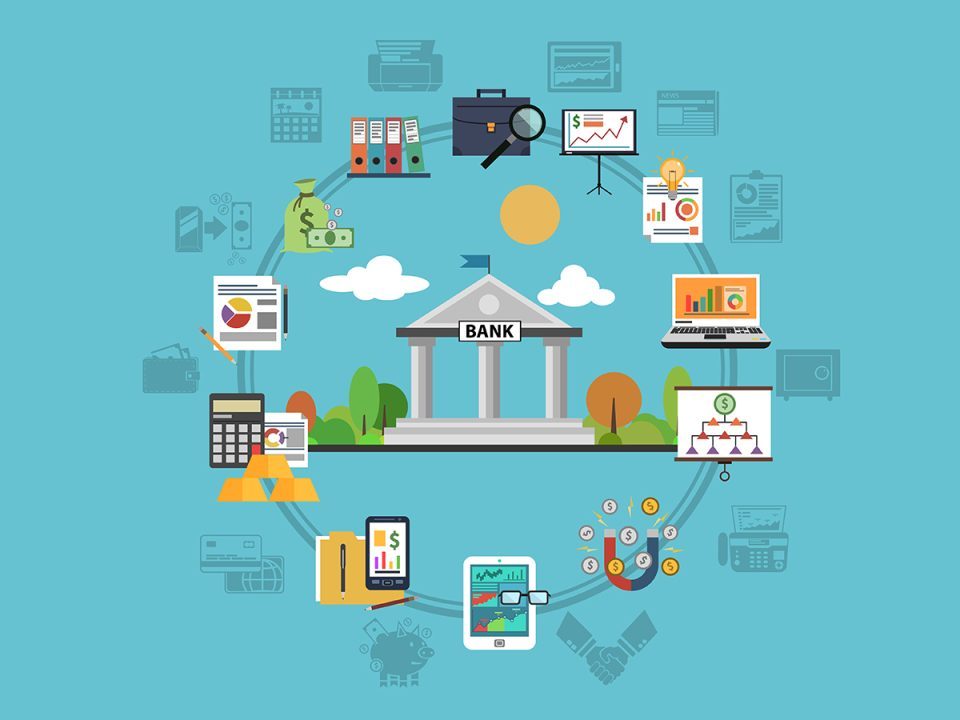
The global financial services industry is experiencing a historic transformation driven by digital innovation, connected technologies and the rapid globalization of commerce. Financial services are no longer bound by hard geographical and institutional boundaries.
They are evolving into highly interconnected digital ecosystems capable of enabling real-time transactions, cross-border payments and seamless financial experiences around the world. The rise of digital commerce, mobile-first banking, embedded financial services and intelligent financial infrastructure is fundamentally changing how consumers and businesses can access, manage and move money across markets. Modern fintech is the engine at the heart of this change, allowing financial systems to evolve beyond the limitations of traditional banking and transcend borders.
The rise of global digital commerce has dramatically increased the demand for faster, more accessible and frictionless financial services. Businesses operate increasingly in several regions, consumers purchase products and services globally via digital platforms, and financial transactions now flow continuously through highly connected digital environments. Consequently, cross-border digital transactions and real-time payments are emerging as critical needs of the modern global economy. Traditional banking systems were often built for localized infrastructure and slower settlement processes, and are struggling to adapt to the speed, flexibility, and interoperability requirements of contemporary digital finance ecosystems.
Simultaneously, digital platforms are dismantling numerous geographic and operational barriers that traditionally constrained access to financial services. Consumers can now open digital bank accounts, send money abroad, get investment products, apply for loans and manage payments, all from mobile apps and cloud-based platforms. Mobile banking, embedded finance, digital wallets and decentralized financial systems are creating new financial experiences that prioritize accessibility, convenience and real-time connectivity. This transformation is driving the rise of borderless fintech ecosystems where financial services are increasingly embedded directly into digital platforms, applications and online customer journeys.
The structure of global finance is also being reshaped by the rise of API ecosystems, the infrastructure of cloud computing, AI-powered analytics, and real-time data exchange. Financial institutions, payment providers, digital platforms and technology companies are joining interconnected financial ecosystems capable of sharing information and services seamlessly across markets. Open banking initiatives and embedded finance models that allow organizations to embed financial capabilities into non-financial digital environments are also boosting this shift. As a result, modern fintech platforms are transforming from individual financial tools to sophisticated layers of infrastructure that serve as the backbone for global commerce, digital transactions and financial interoperability at scale.
As financial ecosystems become increasingly interlinked, traditional banking constraints are giving way to interoperable, digital-first financial environments that support real-time global financial activity. Today’s fintech is no longer about digitalizing banking services — it’s about re-architecting the foundation of global finance. Digital finance platforms are creating borderless ecosystems that allow for frictionless financial interactions across countries, industries and digital platforms, thanks to intelligent infrastructure, scalable APIs, embedded finance services and globally connected payment networks.
Modern fintech is connecting global payment networks, digital banking platforms, embedded finance services and intelligent financial infrastructure to create seamless and scalable international financial environments capable of supporting the future of global commerce and digital economic participation.
Read More on Fintech : Global Fintech Interview with Rob Young, Managing Director – UK at InDebted
What Is Borderless FinTech?
The financial sector is quickly going beyond traditional geographical boundaries and moving toward interconnected global digital systems that can enable instant transactions, frictionless cross-border services, and financial access around the clock. Digital infrastructure, cloud computing, APIs, and mobile-first platforms are all evolving to make financial services increasingly interconnected across countries, industries and digital environments. Modern Fintech is at the forefront of this revolution, powering financial ecosystems that run without the legacy banking systems and regional financial infrastructure that have traditionally been barriers to entry.
Borderless finance is a seismic shift in how consumers and businesses access financial services. Today’s customers expect instant access to payments, banking, lending, investments and financial management tools, regardless of where they are or what time it is, rather than relying on isolated national banking systems. The growing demand for seamless financial accessibility is fueling the expansion of global digital finance ecosystems powered by intelligent technology infrastructure and interoperable financial platforms.
What is Borderless FinTech?
Borderless Fintech describes digital financial ecosystems in which financial services are delivered across countries, regions and digital platforms without the constraints of traditional geographic or institutional borders. These ecosystems enable consumers and businesses to transfer money, obtain financial products, perform transactions, and engage with financial systems worldwide, within interconnected digital environments.
Borderless Fintech platforms are designed to support: unlike traditional banking systems that often rely on localized infrastructure and region-specific operational processes like:
- Cross-border payments
- Global digital banking
- International lending
- Multi-currency transactions
- Real-time investment access
Borderless finance is characterized by, among other things, always-on accessibility. Today, financial services are increasingly accessible 24/7 on mobile devices, cloud platforms, digital wallets and embedded financial applications. Today customers can bank, send money around the world and manage investments instantly from almost any place on the globe.
The disappearance of geographical boundaries is changing the shape of world finance. In the past, financial transactions required several intermediaries, lengthy settlement periods, region-specific banking infrastructure, and the like. Today, they are increasingly being replaced with intelligent digital ecosystems that can facilitate frictionless financial connectivity at scale.
Evolution from Traditional Banking to Global Digital Finance
Traditional international banking systems were built on centralized institutions, national financial regulations and relatively slow transactional infrastructure. Cross-border financial operations were often characterized by multiple intermediaries, high transaction costs, slow settlement times, and operational complexity, which limited access and scalability.
The legacy banking infrastructure also found it difficult to handle the pressures of modern digital commerce and globalised business operations. International money transfers, currency exchanges and cross-border payment settlements were usually defined by large manual processes and segmented operational workflows.
Modern Fintech ecosystems are reinventing this model with digital-first financial infrastructure powered by:
- Cloud computing
- APIs
- Real-time payment networks
- Mobile banking platforms
- AI-driven operational intelligence
Digital-first platforms allow financial institutions and technology providers to deliver faster, more scalable and more accessible services across international markets.
In this transition, real-time and API-driven financial ecosystems have a special importance. APIs enable banks, payment providers, digital wallets, lending platforms and embedded finance systems to exchange information and services seamlessly across platforms. This interoperability is helping to create globally connected financial ecosystems that can support continuous digital commerce and cross-border financial activity.
Modern Fintech thus transforms finance from isolated national banking structures to globally connected digital financial environments.
Features of Borderless Financial Ecosystems
Borderless financial ecosystems are built on the pillars of scalability, interoperability, real-time connectivity and digital accessibility. They are built to work seamlessly across multiple platforms, institutions and geographic regions, while providing seamless customer experiences.
One of the most important features of modern Fintech ecosystems is interoperability. Financial institutions, payment networks, digital platforms and third-party service providers are becoming ever more linked by APIs and shared infrastructure able to support real-time data exchange and financial interactions.
Another defining characteristic is real-time global financial connectivity. Today’s consumers expect transactions to happen instantly, payments and financial services to be available 24/7 and across the globe. Modern payment systems, cloud-native banking platforms and digital wallets are enabling this constant access to finances.
Cloud-native infrastructure also plays a major role in enabling scalability across global financial ecosystems. In the fintech space, distributed cloud environments can be leveraged to handle high volumes of transactions, operate globally, and provide resilient digital services across geographies.
Moreover, borderless finance is increasingly powered by embedded and mobile-first financial services. Financial capabilities are not limited to traditional banking applications. Instead, payments, lending, insurance and financial management tools are being embedded directly into digital commerce platforms, mobile apps and customers’ online journeys.
The importance of financial accessibility
One of the most revolutionary features of borderless Fintech is the ability to extend financial accessibility on a worldwide level. Traditional banking infrastructure often excludes large populations because of geographic constraints, operational inefficiencies, or limited physical access to banking facilities.
Emerging markets and underserved regions are finding solutions to these challenges in the form of digital financial ecosystems that enable mobile-first financial access. Digital financial ecosystems are now open to consumers who were previously excluded from traditional banking services via smartphones, digital wallets and cloud-based financial platforms.
Borderless Fintech is also helping financial inclusion by reducing barriers to:
- Payments
- Savings
- Lending
- Investments
- International commerce
This democratization of digital financial services is especially important in underbanked and developing economies where mobile connectivity often grows faster than traditional banking infrastructure.
Increasingly, financial access is linked to broader economic engagement and digital inclusion strategies as global digital ecosystems develop.
Key Takeaway
Borderless Fintech will turn finance from disjointed national systems into a global digital ecosystem, powered by real-time connectivity, cloud-native infrastructure, interoperable APIs and frictionless financial access across countries, industries and digital platforms.
Key Drivers Behind Borderless FinTech
Borderless finance is expanding as a result of a confluence of technological advances, digital consumer behavior, real-time connectivity and the increasing globalization of commerce. Financial services are no longer limited to local banking systems that operate within strict geographic boundaries. Rather, modern digital ecosystems are allowing financial interactions to flow seamlessly across countries, industries, and digital platforms. Fintech is at the heart of this transformation, building highly connected financial ecosystems that can support real-time payments, embedded financial services, cross-border transactions and intelligent digital experiences at scale across the world.
As companies go global and consumers transact more in digital-first ecosystems, the need for frictionless access to global finance is growing fast. The move to cloud-native infrastructure, API interoperability, AI-driven intelligence and real-time digital infrastructure is shifting away from siloed banking systems to interconnected global financial ecosystems.
-
Digitalization of financial services
Digital transformation has revolutionized how financial services are delivered, accessed and managed across global markets. Traditional banking systems, built on physical branches, manual processes and region-specific infrastructure, are increasingly being supplanted by digital-first ecosystems, able to offer continuous financial access through cloud platforms and mobile applications.
Cloud computing has become the backbone of modern Fintech infrastructure, allowing organizations to scale globally while maintaining operational flexibility and real-time service delivery. Companies can execute transactions faster, launch services globally and power large digital operations across multiple markets at the same time through cloud-native financial systems.
Mobile-first banking has also sped up the growth of borderless financial ecosystems. Consumers now expect financial services to be available instantly on smartphones, tablets and connected digital devices. Mobile banking apps, digital wallets and bundled financial platforms have transformed the way users engage with payments, savings, lending and investments.
Digital wallets and super apps are playing an increasingly important role in modern Fintech ecosystems. These platforms provide a suite of financial and non-financial services in one digital ecosystem, where users can manage payments, commerce, transportation, investments and communication through a single mobile experience.
Meanwhile, the appetite for frictionless digital experiences is driving innovation across financial services globally. Increasingly what customers care about is convenience, speed, personalization and real time access to financial platforms. As a result, companies are investing heavily in digital infrastructure to enable continuous financial engagement in global ecosystems.
-
Expansion of Cross-Border Commerce
The rapid growth of global digital commerce is another major driver of borderless Fintech ecosystems. Today, companies of all sizes operate in international markets through digital platforms, online marketplaces and global e-commerce ecosystems.
Consumers are purchasing an increasing number of products and services from overseas sellers, and companies depend on digital payment systems to enable worldwide operations. This upsurge in cross-border trade has fuelled a massive increase in the need for faster, more scalable and frictionless international financial infrastructure.
This transformation is expedited by global e-commerce platforms that enable companies to connect with consumers worldwide without the conventional physical distribution systems. As the digital commerce ecosystem grows, financial systems must support:
- Multi-currency transactions
- Real-time international payments
- Automated currency conversion
- Cross-border settlement
- Global financial accessibility
Modern Fintech platforms are helping solve these challenges by building integrated payment ecosystems that can process transactions across countries seamlessly.
International digital marketplaces are also helping to drive the growth of borderless finance. Online marketplaces are increasingly requiring embedded financial capabilities for instant transactions, payment flexibility, and secure financial interactions with international customer bases.
Thus, frictionless payment infrastructure is emerging as one of the most crucial needs within global digital commerce ecosystems.
-
API Ecosystems and Open Banking
APIs and open banking frameworks play an increasingly important role in enabling interoperability across global financial ecosystems. Traditional banking systems were often built on siloed infrastructure that prevented financial institutions, digital platforms and third-party service providers from working together.
APIs are at the heart of modern Fintech ecosystems, enabling real-time connection and data sharing across platforms. In connected financial environments, APIs enable banks, payment providers, lending platforms, digital wallets and embedded finance systems to easily talk to each other.
Financial interoperability through APIs enables organizations to:
- Share financial data securely
- Enable embedded financial services
- Support real-time transactions
- Improve customer experiences
- Accelerate innovation
Open banking initiatives are further enhancing collaboration across digital finance ecosystems. Open banking regulatory frameworks allow customers to share their financial information safely with authorized third-party providers and open up opportunities for more personalized and connected financial services.
Another major outcome of API-driven ecosystems is embedded finance. Now, businesses across industry can integrate banking, lending, payments and insurance directly into customer experiences without having to build traditional financial infrastructure themselves. The rise of embedded financial services is significantly improving global financial connectivity in today’s Fintech ecosystems.
-
Digital Infrastructure and Real Time Payment
Real time payment systems are changing the way money flows through global financial systems. Traditional international payment networks often had long settlement periods, multiple intermediaries and operational inefficiencies that slowed down financial activity and increased transaction costs.
These limitations are being replaced by real-time payment ecosystems that are able to support instant financial transactions across borders and digital environments through the use of modern Fintech platforms.
Instant payment systems enable consumers and businesses to send money when they want to, not constrained by the traditional banking timetable or the geographical constraints of business hours. This is especially true in digital commerce ecosystems, where customers expect transactions to happen instantly.
The rise of digital transaction environments, operating 24/7, is transforming global finance. Financial interactions across online marketplaces, mobile apps, embedded finance, and cloud platforms are increasingly continuous. Financial activity is always on, so there’s a need for real-time infrastructure, which organizations can support efficiently.”
Faster settlement processes can significantly cut down friction in financial ecosystems through better liquidity, less operational delays and improved customer experiences. With global commerce becoming increasingly digital, scalable real-time payment infrastructure will continue to be at the heart of the continued growth of borderless Fintech ecosystems.
-
AI, Automation, and Data Intelligence
Artificial intelligence and intelligent automation are emerging as core technologies in borderless finance ecosystems. With digital finance operations expanding globally, organizations need advanced analytics and automation systems to manage risk, increase personalization and improve operational efficiency.
Organizations are now able to deploy AI-powered fraud prevention systems to identify suspicious activity in real time in highly interconnected financial environments. Machine learning models are continuously analyzing transactional and behavioral data to improve fraud detection accuracy while managing operational risk.
Predictive analytics is another big innovation area in modern Fintech ecosystems. Financial platforms are increasingly using AI to:
- Forecast customer behavior
- Assess lending risk
- Improve compliance monitoring
- Personalize financial recommendations
- Optimize operational workflows
Automation is also improving operational processes across digital finance ecosystems by reducing manual intervention and increasing scalability.
On the customer side, AI-driven personalization is helping organizations deliver more contextual and personalized financial experiences. Today’s consumers increasingly expect digital financial services that are customized to their behavior, preferences and real-time needs. Intelligent analytics systems can deliver personalized engagement across global markets at scale for financial platforms.
Building Global FinTech Ecosystems
As financial services are becoming more global, organizations are focused on building interconnected ecosystems to support global digital commerce, embedded financial services and real-time financial interactions. Today, fintech infrastructure is no longer limited to individual institutions or localized banking systems. Rather, financial services are being embedded in larger digital ecosystems powered by APIs, cloud computing, AI-driven intelligence and scalable operational infrastructure.
The future of finance is about building smart and interoperable financial environments where consumers, businesses, platforms and institutions can interact seamlessly across geographies and industries.
-
Integrated Financial Platforms
One of the distinguishing features of modern Fintech ecosystems is the emergence of interconnected financial platforms that are able to support multiple services within unified digital environments.
The combination increasingly found in digital banking platforms include:
- Payment
- Loans Investments Insurance
- Financial analytics
- Identity management
in centralized ecosystems for continuous interaction with customers.
Customers are engaging with financial services across mobile apps, e-commerce platforms, digital wallets and enterprise systems simultaneously, making multi-platform financial connectivity also increasingly necessary. APIs and cloud native infrastructure allows organizations to build an integrated ecosystem where services operate seamlessly across multiple platforms.
The financial services industry is moving from traditional product-based banking to ecosystem-based models. Organizations are creating connected environments that support end-to-end digital financial experiences, instead of offering standalone financial products.
-
Embedded Finance and Banking-as-a-Service (BaaS)
Modern Fintech ecosystems are dramatically expanding their reach by embedding financial services directly into non-financial digital platforms.
Now embedded in industries, businesses are able to:
- Payments
- Loans Insurance Banking
- Brokerage services
directly into customer experience with API-enabled financial infrastructure.
Banking-as-a-Service models enable companies to offer financial products without the need to build their own traditional banking systems. This capability is accelerating the development of digital financial ecosystems in retail, transportation, health care, travel and e-commerce sectors.
As embedded finance takes hold, financial services are becoming less visible in digital customer journeys.
-
Payment Infrastructure Across Borders
Cross-border payment infrastructure continues to be one of the most important elements of global Fintech ecosystems. Organizations want to be able to make international payments in real time to power digital commerce at a global scale.
Today, modern financial infrastructure facilitates:
- Instant international payments
- Automated currency conversion
- Multi-currency wallets
- Real-time settlement systems
These capabilities lower operational friction and enhance financial accessibility in global markets.
-
Digital Identity & Trust Frameworks
Trust and security are vital to the flourishing of borderless financial ecosystems. Digital identity verification systems help organizations securely authenticate users across international markets, while reducing fraud and compliance risks.
Facial recognition, fingerprint verification and behavioral analytics are some of the biometric authentication technologies modern Fintech platforms are increasingly incorporating to improve security and streamline onboarding experiences.
Secure digital identity infrastructure also enables regulatory compliance across global ecosystems, while enhancing customer accessibility.
-
Cloud-Native and Scalable Infrastructure
Cloud-native infrastructure underpins Global Fintech scalability. Cloud computing enabled distributed financial systems to help organizations to efficiently manage international operations, supporting real-time transaction processing across regions.
Scalable infrastructure allows platforms to:
- Handle growing transaction volumes
- Expand internationally
- Improve operational resilience
- Maintain continuous uptime
As digital finance ecosystems continue to grow, cloud-native operational models will remain essential to support globally connected financial environments. Global Fintech ecosystems rely on interoperability, infrastructure that can scale, intelligent automation and seamless financial connectivity to enable always-on digital financial experiences across countries, industries and digital platforms.
Role of Technology in Borderless Financial Ecosystems
Technology is the catalyst for the development of borderless financial ecosystems. Traditional banking infrastructure was designed for regional operations and physical institutions with fragmented transactional systems that struggled to support real-time global commerce.
Digital innovation is today reshaping finance into a highly interconnected ecosystem powered by cloud computing, APIs, artificial intelligence, blockchain and intelligent automation. Modern Fintech platforms are enabling financial services to operate 24/7 across countries, industries and digital environments, while improving scalability, accessibility and operational resilience.
As the need from businesses and consumers for seamless experiences around the world continues to grow, technology is increasingly becoming a vital enabler of real-time connectivity, intelligent processing of transactions, safe cross border activity and integrated digital finance ecosystems.
-
Cloud Infrastructure and Intelligent Automation
Cloud computing is one of the key technologies that allow modern Fintech ecosystems to scale globally. Cloud-native infrastructure enables financial institutions and digital finance providers to operate in multiple regions with operational flexibility, real-time performance and high availability.
Distributed cloud systems allow scalable financial operations to handle massive transaction volumes across international markets. This flexibility allows organizations to deploy new services more quickly, improve operational resilience and expand globally free from the constraints of inflexible legacy infrastructure. Multi-region cloud environments also bolster disaster recovery and operational continuity, which are vital for financial systems that run constantly across digital ecosystems.
With artificial intelligence and automation , borderless financial operations are taking a further leap, through intelligent compliance management, predictive analytics, fraud detection and automated workflows. Global financial networks deploy AI-driven systems that continuously scan transactional and behavioral data for anomalies, thereby mitigating fraud risks and enhancing operational efficiency.
And today’s Fintechs are increasingly using automation to make onboarding, payments, regulatory reporting and customer service easier. Intelligent automation reduces manual operational complexity while enhancing speed, scalability and customer experience across digital finance ecosystems.
-
APIs, Open Finance, and Financial Interoperability
APIs are at the heart of building interconnected financial ecosystems, enabling real-time communication and data sharing between banks, payment networks, digital wallets, financial applications, and third-party platforms. Traditional banking systems were often built on isolated infrastructures with poor interoperability, which hampered collaboration and slowed innovation.
Modern Fintech ecosystems depend on API-driven infrastructure to enable seamless financial connectivity across platforms and services. APIs empower organizations to embed payments, lending, insurance, banking and investment capabilities directly into digital applications and customer experiences.
Open banking initiatives that enable the secure sharing of financial data between institutions and authorized third-party providers have accelerated this transformation. These frameworks enable customers to avail more personalized and integrated financial services, while allowing businesses to create highly connected financial ecosystems.
Another big outcome of API-driven infrastructure is the rise of embedded finance. Financial services are increasingly being embedded directly into e-commerce sites, mobile apps and digital marketplaces, rather than being a stand-alone service delivered through traditional banking channels. This growth in embedded financial experiences is making modern Fintech ecosystems more scalable, interoperable and globally connected.
APIs allow real-time data exchange, which increases the speed of transactions, operational visibility, and financial coordination across international markets. Interoperable financial infrastructure will be critical and will remain a vital part of enabling frictionless borderless finance as digital ecosystems evolve.
-
Blockchain, Decentralized Finance, and Digital Trust
The significance of blockchain technology in the formation of transparent and globally connected financial ecosystems is increasing. Unlike traditional financial systems that typically depend on centralized intermediaries, blockchain-based infrastructure facilitates decentralized transaction processing through distributed digital ledgers.
Modern Fintech platforms are looking to blockchain technology to improve transparency, transaction security, operational efficiency and cross-border settlement capabilities. The blockchain’s networks generate unchangeable records of transactions that enhance the auditability and decrease the risks of fraud in the digital financial ecosystems.
Smart contracts are another major innovation that blockchain infrastructure makes possible. These programmable agreements automatically execute transactions and business processes when pre-determined conditions are met. Smart contracts can help to smooth operational friction, automate compliance processes and enable international financial transactions.
Decentralized finance ecosystems are booming too, unlocking new pathways to global financial access and programmable financial services. Decentralized financial models, despite their regulatory and operational hurdles, demonstrate how new digital infrastructure can facilitate financial transactions outside of traditional institutional frameworks.
With the increasing digitization and global interconnection of financial systems, cybersecurity and trust frameworks are gaining importance. Trust is a prerequisite for borderless financial ecosystems and requires identity protection, secure authentication, fraud prevention and encrypted transaction systems.
Contemporary Fintech platforms are increasingly utilizing biometric authentication, AI-powered fraud analysis, identity verification systems, and sophisticated encryption protocols to safeguard financial operations in distributed digital environments.
Technology is transforming the financial infrastructure into smart, interoperable, and globally scalable ecosystems that can support real-time financial interactions, automated processes, secure cross-border transactions, and continuous digital connectivity across industries and international markets.
Business Impact of Borderless FinTech
The rise of borderless finance is reshaping the way business, consumers and financial institutions operate in the global economy. Modern Fintech ecosystems are empowering organizations to expand globally, increase operational efficiencies, improve customer experiences, and create new digital revenue opportunities. Borderless financial systems are breaking down geographic boundaries and reducing friction across financial touch points, helping businesses better participate in the increasingly interconnected global markets.
As digital commerce grows, organizations that build scalable, interoperable financial infrastructure are gaining competitive advantages including speed, access and engagement.
-
Improved customer experience and worldwide coverage
One of the biggest impacts of borderless Fintech is the improvement of customer experience across the global financial ecosystems. Consumers are increasingly expecting financial services to be instant, seamless and to work wherever they are, from whatever device and on whatever platform they choose.
Today’s digital finance systems offer:
- Real time payments
- Instant payments
- Access to multi-currency finance
- Mobile banking experiences.
- Tailored financial services
These capabilities reduce operational friction, while creating more convenient and accessible customer journeys.
Cross-border financial accessibility is a particular concern for global consumers, remote workers, international businesses and digital commerce ecosystems. Borderless finance makes it possible for users to interact with financial systems 24/7 without having to rely on slow legacy banking processes or region-specific operational restrictions.
Organizations are also applying AI and data intelligence to boost customer engagement at scale through personalized financial experiences. Fintech platforms today are increasingly personalizing financial products, recommendations and services based on customer behavior, transactional history and real-time engagement patterns.
-
Operational Efficiency and Expansion into International Markets
Borderless Fintech ecosystems are driving operational efficiency in financial services and digital commerce environments. Cloud-native infrastructure, real-time transaction processing and automated financial workflows reduce manual operational complexity, and enhance scalability and responsiveness.
Digital-first financial systems that facilitate global payments, automate currency exchange, and provide embedded financial services help businesses expand more efficiently into international markets. This scalability is particularly important for e-commerce companies and digital platforms that operate in several countries.
Automation also brings down operational costs by limiting dependence on manual reconciliation processes, intermediaries and fragmented financial infrastructure. “Faster settlements, real-time reporting and integrated operational systems can improve financial coordination and support more agile business operations.
Another main effect of borderless Fintech is an explosion of financial inclusion all over the world. Mobile-first financial services are enabling underserved populations to access payments, savings, lending and digital financial services without having to rely on traditional banking infrastructure. This democratization of access to finance is driving participation in digital economies across emerging markets.
Meanwhile, borderless finance is opening up totally new revenue streams with embedded finance models, subscription-based ecosystems and platform-based financial services. Today, businesses can monetize financial interactions in real-time in digital customer journeys, creating new business models that integrate commerce, payments, lending, and financial engagement in integrated ecosystems.
Key Takeaway
Borderless Fintech ecosystems enable improved customer access, operational efficiency, financial inclusion, scalability and global economic participation through intelligent, connected and seamless digital financial experiences across international markets and digital platforms.
Challenges of Creating Borderless FinTech Ecosystems
Borderless finance is transforming the global financial sector by enabling seamless digital transactions, cross-border connectivity and real-time access to financial services across markets. But developing truly global financial ecosystems also brings with it major operational, regulatory and technology challenges. As financial services become more integrated through APIs, cloud infrastructure, AI-driven systems, and digital platforms, organizations are challenged to manage increased complexity across international operations.
The modern Fintech ecosystems are anticipated to facilitate pervasive financial connectivity while guaranteeing security, compliance, operational resilience and scalability across multiple jurisdictions. Achieving this balance is no easy task in the global financial world, where a patchwork of fragmented regulations, evolving cyber threats, aging banking infrastructure and increasingly complex digital ecosystems are the norm. Therefore, organizations that want to build borderless financial platforms need to address both the operational and technological challenges, and also build trust and reliability in the international market.
-
Regulatory Fragmentation
One of the biggest challenges for global Fintech ecosystems is the regulatory fragmentation across global markets. Financial regulations differ greatly from one country to another. Various jurisdictions have different requirements in respect of:
- Data privacy
- AML compliance
- KYC verification
- Cybersecurity
- Financial reporting
- Consumer protection
This is operationally challenging for organizations trying to scale globally.
Cross-border compliance management is particularly challenging for digital finance providers that operate in multiple regulatory environments concurrently. A financial platform might have to simultaneously comply with European GDPR requirements, North American banking regulations, Asia-Pacific digital payment standards, and local cybersecurity mandates.
Another big concern in the global Fintech ecosystems is data governance. Different countries have different restrictions on financial data storage, customer identity management and cross-border data transfers. Hence, organizations must develop governance systems that are highly agile and can accommodate local compliance requirements without sacrificing operational scalability.
Innovation can also be hindered by regulatory fragmentation as firms tend to have to tailor infrastructure and operational processes to individual markets. This drives up operational costs and creates challenges for organizations that are trying to develop unified global financial platforms.
-
Cybersecurity and Fraud Risks
As financial ecosystems become more interconnected, cybersecurity threats are exploding. Modern Fintech platforms operate with vast amounts of sensitive customer data, financial transactions, payment credentials and identity information across distributed digital environments. This opens up attack surfaces for cyber criminals focusing on financial systems.
Cross-border financial ecosystems are particularly vulnerable because transactions are now traversing multiple platforms, APIs, cloud environments and third-party systems simultaneously. Each point of integration creates potential security holes that can be exploited for fraud, data breaches, ransomware attacks, and identity theft.
International fraud management is also becoming more complex in digital finance ecosystems. Fraudsters now operate globally, using sophisticated AI-driven attacks, synthetic identities, phishing schemes and automated transaction manipulation techniques. Thus, financial institutions need to implement intelligent fraud prevention systems that are able to detect suspicious behavior in real time on international transactions.
With financial transactions shifting more and more to mobile devices, embedded finance systems and digital applications, the concerns regarding identity theft and transaction security are at an all time high. Consumers want frictionless digital interactions but they want strong data protection and financial security.
Modern Fintech organizations are responding by investing heavily in:
- AI-driven fraud detection
- Behavioral analytics
- Biometric authentication
- Identity verification systems
- Zero-trust security frameworks
But maintaining strong cybersecurity in fast-growing global ecosystems remains an operational challenge.
-
Legacy Financial Infrastructure
Despite fast innovation, much of the global financial industry still operates on legacy banking systems and outdated payment infrastructure originally built for localized financial operations. These older systems are often not flexible, interoperable or scalable enough for modern borderless finance ecosystems.
Common challenges with integrating traditional banking infrastructure with modern Fintech platforms come from the fact that legacy systems are often reliant on:
- Manual workflows
- Processing Center
- Batch settlements.
- Architecture specific to region
- Restricted API functionality
This creates operational bottlenecks when organizations attempt to roll out real-time payments, embedded finance services or cross-border transaction systems.
Outdated payment rails and settlement networks also slow down international transactions, while operational friction and costs increase. Many legacy banking systems were not built for the 24/7 real-time digital transaction environment or instant global settlement.
Operational modernization is even harder, since financial institutions often have decades-old, deeply embedded infrastructure that underpins compliance, transaction processing, customer records and operational workflows. These systems require significant investment, technical expertise and risk management for upgrade or replacement.
With global Fintech ecosystems continuing to expand, organizations need to balance innovation with the practicalities of integrating legacy financial infrastructure into modern digital environments.
-
Data Privacy and Sovereignty
As financial ecosystems are growing worldwide, the data privacy and sovereignty regulations are increasingly important. The borderless nature of financial platforms means that highly sensitive customer data is processed across several jurisdictions, raising significant governance and compliance issues.
Different regions have different rules regarding:
- Data collection
- Customer consent
- Financial record storage
- Cross-border data transfers
- Identity management
- Data retention policies
For instance, privacy rules in Europe could limit where customer data can be stored or transferred across countries, whereas other countries insist that financial information must stay within their borders.
Therefore, the secure management of global customer data is one of the most complex operational tasks in modern Fintech ecosystems. Organizations need access to their systems and real-time financial connectivity, while keeping up with strong encryption, identity protection and secured infrastructure.
Restrictions on cross-border data transfer further complicate infrastructure, where organizations might have to host region-specific cloud environments, localized operational systems, and segmented customer databases to meet national regulations.
“Striking the right balance between personalization, operational scalability and regulatory compliance remains a big challenge for borderless finance providers operating internationally.
-
Operational Scalability
Another big challenge for borderless Fintech ecosystems is building scalable global financial infrastructure. Financial systems today have to manage large volumes of transactions, operate 24/7, handle multiple currencies and engage in real-time financial interactions with numerous markets at the same time.
The infrastructure for global real time transactions must be highly resilient, able to handle payments, identity verification, fraud monitoring and customer interactions on a continuous, uninterrupted basis. Little operational failures can have a big impact on customer trust and cash flow.
Infrastructure resilience is particularly important given the fact that digital finance ecosystems are increasingly operating on a 24/7 basis on cloud platforms, mobile applications, APIs, embedded finance environments and international payment networks. Therefore, organizations have to spend heavily on capabilities such as redundancy, operational monitoring and disaster recovery.
The operational challenges of the global Fintech ecosystems also arise from the complexity of localization. Often financial platforms must be able to support:
- Multiple languages
- Currency conversions
- Regional compliance requirements
- Local payment methods
- Country-specific customer experiences
with consistent global operational performance.
Scalability therefore requires not only a sophisticated technological infrastructure, but also highly adaptable operational strategies to support continuous global financial activity.
Key Take-Away
Borderless Fintech ecosystems are built by balancing scalability, interoperability, cybersecurity, compliance, operational resilience and customer trust in increasingly interconnected global financial environments.
Future Outlook: The Next Era of Borderless FinTech
Global finance will move into smart, interconnected and highly interoperable digital ecosystems beyond traditional geographic boundaries. Financial services are rapidly evolving into always-on, global networks that will drive real-time transactions, embedded financial experiences, AI-enabled operations and decentralized digital infrastructure.
Contemporary Fintech ecosystems are heading towards a future where financial services will be seamlessly embedded into daily digital experiences, while operating 24/7 on global platforms, industries and markets.” The progress of AI, cloud computing, blockchain, embedded finance and digital identity systems will continue to speed up the building of borderless financial ecosystems that can underpin frictionless global commerce and smart financial operations.
-
The Growth of Global Real-Time Financial Networks
One of the key future trends of global Fintech is the development of real-time international financial networks. Traditional cross-border payment systems are plagued by delays, intermediaries and settlement inefficiencies that slow financial activity and increase operational friction.
Future financial ecosystems will be increasingly capable to enable:
- immediate cross-border settlements
- Financial connectivity on a sustained basis
- Multi-currency real-time payments
- Digital payments on all the time
This infrastructure will greatly enhance global commerce, reduce settlement delays and provide more frictionless financial experiences for businesses and consumers around the world.
Real-time financial connectivity will also improve interoperability between financial institutions, digital platforms, payment providers and embedded finance ecosystems.
-
Embedded and AI-Enabled Financial Ecosystems
The next generation of borderless Fintech ecosystems will be centered on artificial intelligence. More and more financial operations will be automated with AI:
- Fraud detection
- Monitoring compliance
- Risk management
- Customer service
- Transaction analysis.
- Money advice
Predictive analytics and intelligent automation will enable financial systems to run more efficiently and improve customer personalization and operational resilience.
The growth of embedded finance across digital ecosystems will also continue to be very rapid. Financial services will increasingly be embedded directly into e-commerce platforms, mobile apps, digital marketplaces and connected customer journeys.
With the move to invisible and contextual finance, customers will engage with financial services in a natural manner within digital experiences and not in siloed banking environments.
-
Convergence of Identity, Governance and Decentralized Finance
The future of borderless Fintech will also witness greater integration between financial services, digital identity systems, and intelligent governance infrastructure. Unified digital identity frameworks will be supported by biometric authentication and AI-powered verification systems, improving security and simplifying global onboarding and compliance processes.
RegTech systems will increasingly partner with Fintech infrastructure to enable ongoing governance, automated compliance and real-time operational monitoring.
The blockchain technology and decentralized finance infrastructure are also likely to evolve further. Tokenized assets, programmable finance systems and decentralized transaction networks could dramatically change future global financial ecosystems.
As these technologies scale, decentralized infrastructure has the potential to both reduce operational friction and enable more transparent and globally accessible financial ecosystems.
The future of Fintech will be smart, interoperable, AI-driven and globally connected financial ecosystems that will work seamlessly beyond the traditional geographic boundaries, while enabling secure, scalable and continuous digital financial experiences, across the globe.
Conclusion: Finance Is now a Truly Global Ecosystem
The global financial industry is entering an era in which digital connectivity, intelligent infrastructure and real-time financial access are reshaping the way financial services are delivered across markets and industries. Traditional banking systems, which were previously constrained by geography, operational silos and slow transactional infrastructure, are rapidly evolving into interconnected digital ecosystems that can support seamless global financial experiences. The rise of borderless finance is one part of a larger transformation where financial services are becoming more accessible, highly interoperable and deeply embedded within digital commerce and everyday customer interactions. At the heart of this evolution is Modern Fintech, which allows financial ecosystems to transcend traditional institutional and geographic boundaries.
Technology has been a major catalyst in dismantling many of the barriers which have historically inhibited global financial connectivity. Cloud computing has offered scalable financial infrastructure to facilitate financial operations across the globe and real-time transaction processing. APIs and open financial ecosystems have made it possible for banks, payment providers, digital platforms and embedded finance services to work together. Artificial intelligence is revolutionizing fraud prevention, compliance management, operational automation and customer personalization and blockchain and decentralized financial technologies are developing new models for transparent and programmable financial systems. These technologies are transforming the world’s financial ecosystems and accelerating the transition to highly connected digital finance ecosystems.
Meanwhile, customer expectations continue to drive the need for faster, more accessible and frictionless financial experiences. Consumers and businesses increasingly expect payment, lending, banking and financial management services to work seamlessly across devices, platforms and geographic regions. Embedded finance, digital wallets, real-time payment systems and AI-driven personalization are helping to create financial ecosystems that feel frictionless and embedded in wider digital experiences. Consequently, financial services are re-inventing themselves from stand-alone institutional products into intelligent and always-on digital ecosystems powered by modern Fintech infrastructure.
Ecosystems of global digital finance are also gaining importance in terms of interoperability, trust, security and scalability. But organizations also must balance the need for innovation with cybersecurity, compliance, operational resilience and customer protection, all while facilitating seamless international financial activity. The secure interconnection of financial systems across markets and industries will be one of the defining characteristics of next-generation financial ecosystems.
The future of Fintech is ultimately borderless. Smart digital infrastructure, interoperable financial platforms, AI-powered operations, and real-time global connectivity are enabling seamless financial experiences across countries, industries, and digital ecosystems. Financial services are no longer limited to localized systems or traditional banking environments. Instead, finance is transforming into a truly global ecosystem, driven by technology, data and digital connectivity, allowing for continuous and scalable financial participation across the world.
Catch more Fintech Insights : Finance as a Feature: The Monetization Shift in Global FinTech Platforms
[To share your insights with us, please write to psen@itechseries.com ]